Local field guide · 7 min read
What we see most in Alameda kitchens, neighborhood by neighborhood
The faults change as you move across the Island — Gold Coast Victorians, the East End, Fernside, Bay Farm. A neighborhood-by-neighborhood field guide to Sub-Zero repair in Alameda.
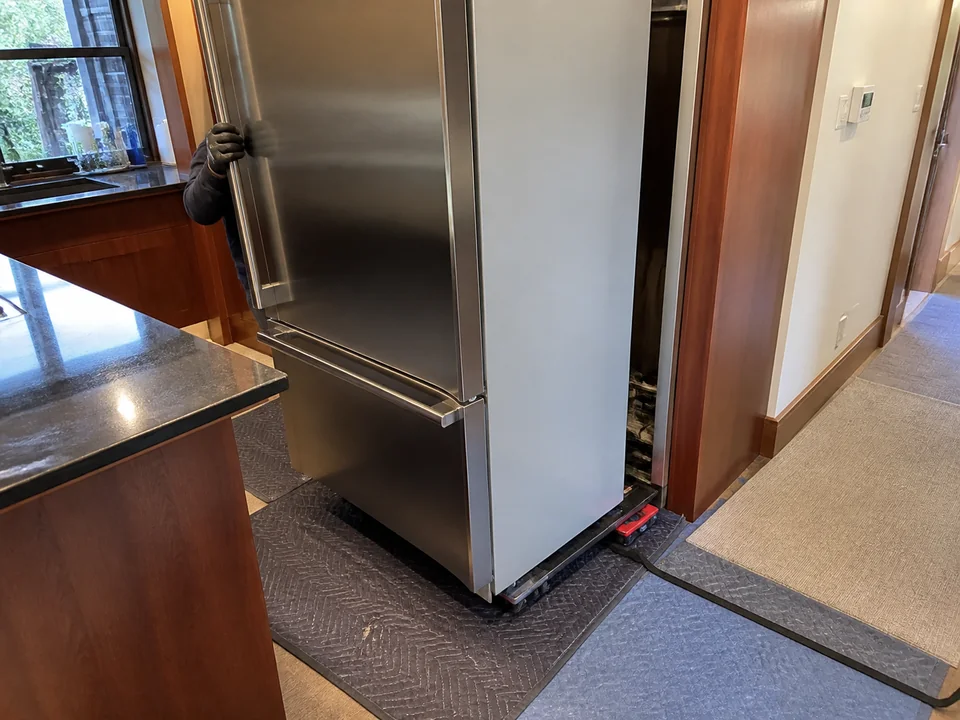
After years of in-home calls across Alameda, a pattern emerges: the most common repair changes depending on where on the Island the kitchen is. The age of the housing stock, how close a block sits to the water, and how the original cabinetry was built all shape what fails first.
This is a field guide to that pattern — not a diagnosis, but a sense of what to expect and how cabinet access and the unit's serial number drive the fix in each part of town.
The Gold Coast: period millwork and tight cabinet pulls
The Gold Coast's early-1900s Victorians are beautiful and unforgiving. A modern built-in Sub-Zero is often set into tight, original-style millwork, so half the job is getting the unit out without harming the surrounding woodwork. The repairs themselves skew toward gaskets and door alignment — the marine air this close to the water ages seals quickly — and the careful pull is what turns a one-hour fix into a planned visit. We confirm the model and serial up front so the right gasket revision is in the van before we start.
The East End and Park Street district: mixed cabinet ages
Around the established homes of the East End and the central Park Street district, kitchens have been remodeled across many different decades. That means the same Sub-Zero model line may carry different fan or gasket revisions depending on when it was installed, so the serial number — not the model alone — decides which part actually fits. Getting that right on the first call is the difference between one visit and two.
Fernside and the waterfront: humidity and the door seal
Out on the Fernside blocks along the estuary, salt air and humidity are at their most aggressive. Door-seal profiles and any exposed metal age faster here than anywhere else on the Island, so we verify the seal profile before a visit and look closely for early corrosion on condenser and fan components. Preventive condenser cleaning pays off fastest in this part of town.
Bay Farm Island: newer homes and integrated columns
Across the bridge on Bay Farm, the housing is newer and integrated column units are common — the kind where the data tag sits up by the upper hinge and the panel is paneled to match the cabinetry. The humid, open air out here still makes the correct gasket profile matter, but access is usually more straightforward than in the older Victorian cores. Repairs tend toward electronics and fans rather than the cabinet-extraction puzzles of the Gold Coast.
Questions & answers
Why does my neighbor's repair sound different from mine if we have the same fridge?
Two reasons: where on the Island you live and exactly when each unit was installed. Salt-air exposure varies block by block, and the same model line carries different part revisions over the years — so the serial number, not just the model, drives the fix.
Do you charge to come out and diagnose?
There is an $89 diagnostic, measured on site, and it's credited toward the repair if you go ahead. Telling us your neighborhood and your unit's model and serial when you call lets us plan cabinet access and pre-stage the right part for a single visit.
More Alameda guides
How to Verify a Sub-Zero Repair Company in Alameda: License, Insurance, and the Island Test
Three checks before you book Sub-Zero repair in Alameda: the free state registration lookup, a real insurance certificate, and the island logistics test.
Read the guide → Sub-Zero freezer not freezing · 4 minSub-Zero Freezer Not Freezing While the Fridge Stays Cold: An Alameda Diagnostic
Why a Sub-Zero freezer drifts warm while the fridge stays cold in Alameda: sealed-system vs defrost vs salt-fouled condenser, plus the $89 diagnostic.
Read the guide → Energy Use and Running Cost · 7 minHow Much Does a Sub-Zero Cost to Run? Energy Use in Alameda Homes
What a Sub-Zero really costs to run in Alameda: typical kWh per day, why salt air raises the draw, and which repairs cut it. $89 visit, credited to the repair.
Read the guide →Rather leave it to a specialist?
Have the failing compartment and the model number ready, and you will get a real first opinion — not a sales pitch.