Viking guide · 4 min read
Viking range burner won't light right in a damp Alameda kitchen
A Viking surface burner that ticks but is slow to catch is usually moisture, not a failed board. What it means in damp Island kitchens and how it's actually fixed.
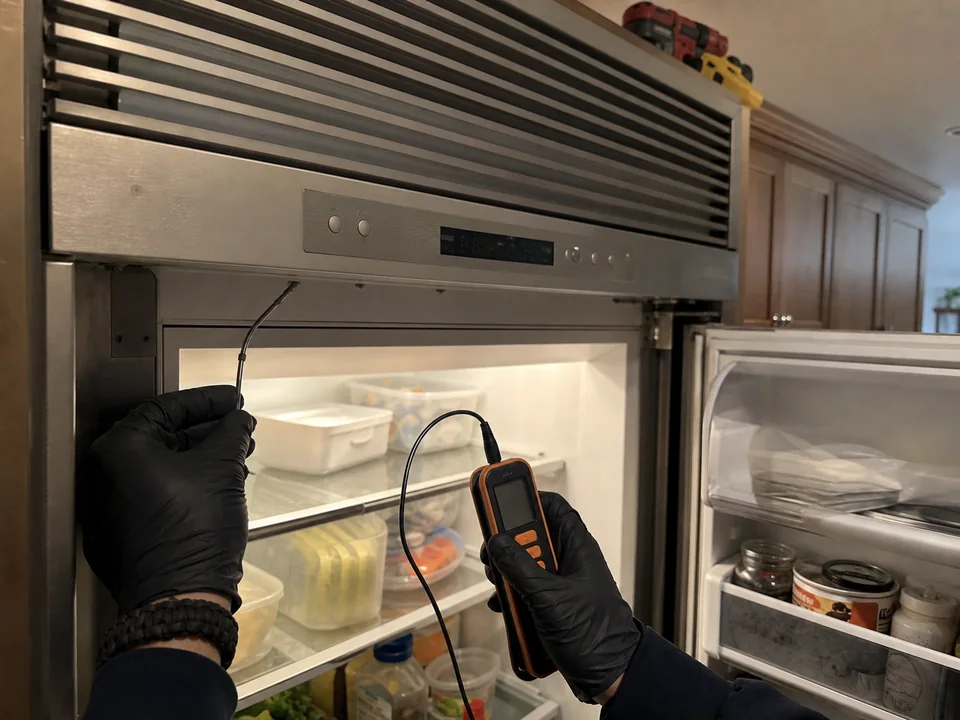
Alongside built-in refrigeration, Viking ranges are one of the appliances we get called about most across Alameda. The complaint is almost always the same: a surface burner ticks and ticks but is slow to light, often worst on the first cook of a foggy Island morning.
Before you picture an expensive part, know that in a humid kitchen the cause is usually much simpler.
Why Island moisture causes the ticking
After a damp night, marine moisture settles under the burner cap and bridges the spark gap. The igniter keeps firing — that's the ticking you hear — but the gas is slow to catch until the area dries out. Older Gold Coast and East End kitchens with marginal ventilation, and waterfront blocks in Fernside near the estuary, see this more than newer, better-ventilated homes on Bay Farm. It is a symptom of the room as much as the range.
What actually fixes it
Lifting and drying the burner caps, then re-seating them so they sit flush, clears most of the mild cases. A burner that still chatters once dry usually has a corroded electrode or a tired spark module — a clean, bounded repair with a genuine OEM part. On a salt-air Island these electrodes corrode a little faster, so it's worth replacing the right one rather than guessing. It is almost never the main control, and we test before we replace anything so you don't pay for a part you didn't need.
Questions & answers
Can I fix a ticking Viking burner myself?
Often, yes — let the range dry, lift the burner cap, air it out, and make sure the cap sits flush before relighting. If it still ticks once fully dry, the electrode or spark module needs service.
Is the clicking dangerous?
A slow-to-light burner that eventually catches is usually a moisture or electrode issue, not a gas-supply fault. But if you smell gas, stop using the burner and call for service — that's a different problem and not one to troubleshoot on your own.
More Alameda guides
How to Verify a Sub-Zero Repair Company in Alameda: License, Insurance, and the Island Test
Three checks before you book Sub-Zero repair in Alameda: the free state registration lookup, a real insurance certificate, and the island logistics test.
Read the guide → Sub-Zero freezer not freezing · 4 minSub-Zero Freezer Not Freezing While the Fridge Stays Cold: An Alameda Diagnostic
Why a Sub-Zero freezer drifts warm while the fridge stays cold in Alameda: sealed-system vs defrost vs salt-fouled condenser, plus the $89 diagnostic.
Read the guide → Energy Use and Running Cost · 7 minHow Much Does a Sub-Zero Cost to Run? Energy Use in Alameda Homes
What a Sub-Zero really costs to run in Alameda: typical kWh per day, why salt air raises the draw, and which repairs cut it. $89 visit, credited to the repair.
Read the guide →Rather leave it to a specialist?
Have the failing compartment and the model number ready, and you will get a real first opinion — not a sales pitch.